How to Approach Water Damage Mold Cleanup Safely and Effectively
Understanding the Real Scope of Water Damage Mold Cleanup
When water gets where it does not belong, the clock starts ticking. A burst pipe, a heavy rain that seeps through a foundation crack, or a slow leak behind a kitchen cabinet can turn a dry home into a breeding ground for fungi in under 48 hours. I have seen this happen in basements across Detroit, where older homes and fluctuating humidity create ideal conditions for mold growth. The term "water damage mold cleanup" gets thrown around a lot, but the reality is that it involves far more than scrubbing visible spots with a sponge. It is a process that requires knowledge of how mold behaves, what materials it attacks, and what steps actually stop it from coming back.
Mold is not just an aesthetic problem. It is a biological organism that feeds on cellulose, which means drywall, wood, paper, and even dust are its meals. When moisture lingers, mold colonies release spores and sometimes mycotoxins. These compounds can trigger a mold allergy or worsen respiratory issues. For anyone dealing with a wet basement or a flooded room, understanding the difference between a surface clean and a proper remediation is critical. That difference often comes down to whether the problem will return in a few weeks or stay gone for good.
Why Professional Mold Remediation Matters
Many homeowners try to handle water damage on their own. They open windows, run fans, and spray bleach on the black patches. But this approach often fails because bleach only kills surface mold and does not penetrate porous materials. Worse, bleach can actually feed certain types of mold if the surface is porous, because the water portion of the bleach soaks in and provides moisture. This is where a structured mold remediation process makes sense. Professionals use HEPA vacuums to capture airborne spores, apply antimicrobial sprays that are designed for deep penetration, and set up containment to prevent spores from drifting into clean areas of the house.
In Detroit, where many homes have brick foundations and older plumbing, the risk of hidden mold is high. A professional mold inspection often reveals growth inside wall cavities or under flooring that the homeowner never saw. The cost of that inspection is small compared to the price of ignoring the problem. Mold remediation cost can vary, but paying for a thorough job the first time usually saves money later, especially if structural materials need replacement.
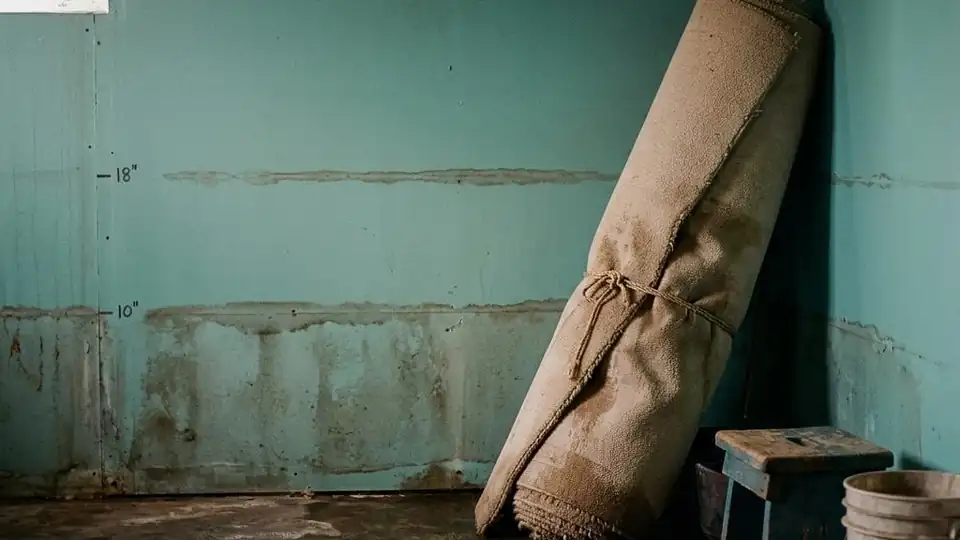
The Difference Between Mold and Mildew
Not every dark spot is the same. Mildew tends to grow on flat surfaces like shower tiles and can often be wiped away with household cleaners. Mold, especially Stachybotrys chartarum, which people commonly call black mold, penetrates deeper and requires more aggressive treatment. Black mold thrives on materials that stay damp for extended periods, like soaked drywall or damp wood. If you see fuzzy green, black, or even pink growth on a wall that has been wet, you are likely dealing with a species that can affect indoor air quality and health.
One of the first things I tell property owners is to get a humidity meter and check the moisture levels in their home. If the relative humidity stays above 60 percent for more than a day or two, conditions become favorable for mold. Using a dehumidifier in basements and crawl spaces can cut that risk dramatically. But a dehumidifier alone cannot fix an active leak. You have to stop the water first, then dry the area, and only then address the mold.
Health Risks and the Need for PPE
The health effects of mold exposure are not exaggerated. People with mold allergy can experience sneezing, itchy eyes, and throat irritation within minutes of entering a contaminated room. For those with asthma or compromised immune systems, the reaction can be severe. Mycotoxins produced by some molds have been linked to more serious health concerns, though research is ongoing. The Michigan Department of Health and Human Services provides guidance on mold and indoor air quality, and it recommends that anyone performing cleanup wear proper PPE, including an N95 respirator or better, gloves, and goggles.
Skipping protection is a common mistake. I have seen people try to scrub mold with a dry brush, which sends a cloud of spores into the air. That is exactly the wrong move. The goal is to remove the mold without spreading it. That means wetting the surface before scrubbing to keep spores from becoming airborne, using a HEPA vacuum to capture what does get released, and sealing the contaminated area off from the rest of the house with plastic sheeting.
Effective Cleanup Methods and Common Mistakes
When it comes to actual water damage mold cleanup, the method depends on the material. Non-porous surfaces like glass or metal can often be cleaned with a detergent solution and dried thoroughly. Porous materials like drywall, carpet, and insulation usually need to be removed and replaced. There is no magic chemical that can restore rotted drywall. Some people reach for boric acid as a mold inhibitor, and it can be useful on certain surfaces, but it is not a cure-all. Antimicrobial sprays that are registered with the EPA are a better choice for treating remaining stains after removal of the contaminated material.
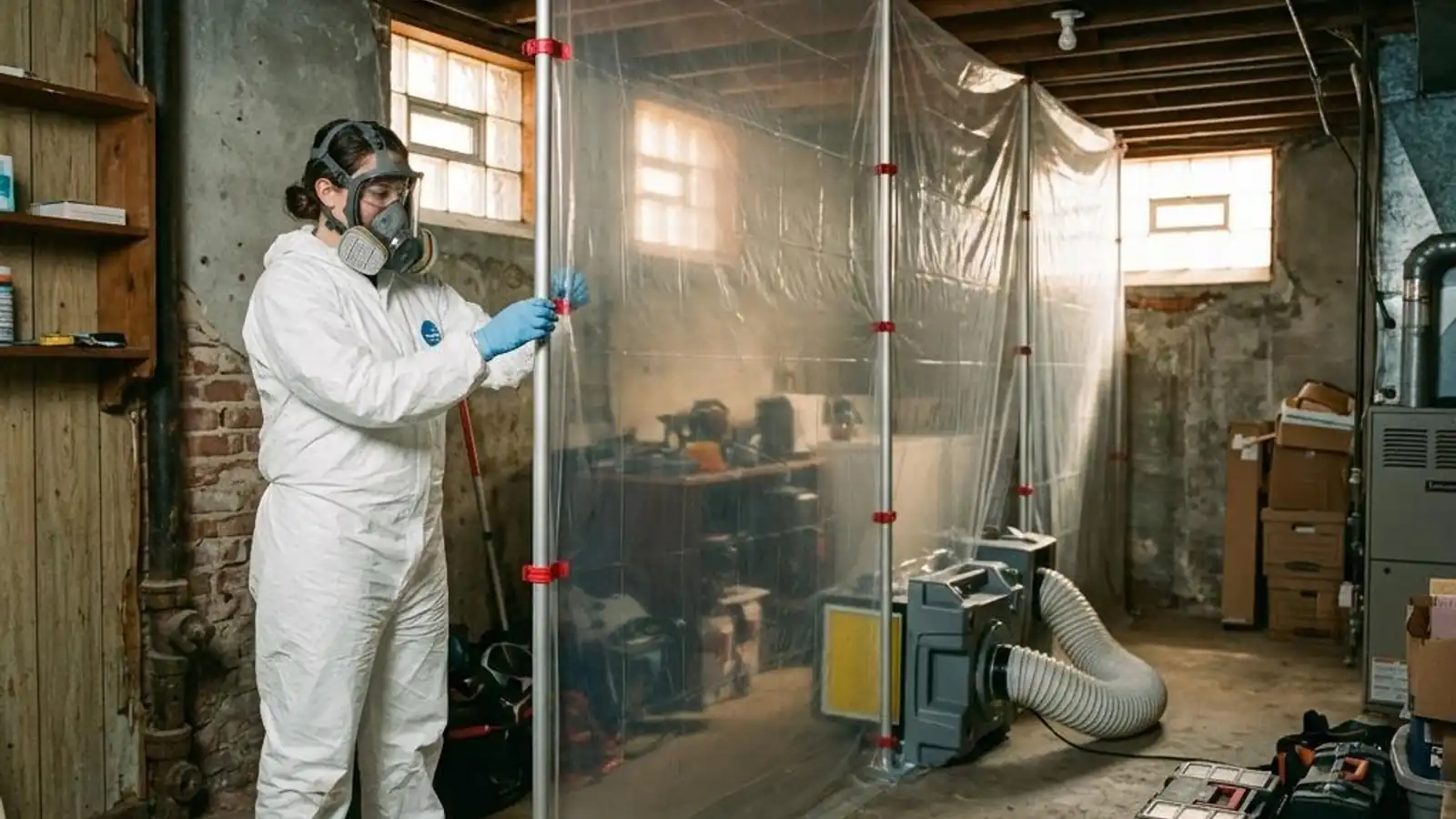
One of the biggest misconceptions is that you can just paint over mold. Mold-resistant paint exists, but it only works on clean, dry surfaces. Painting over active mold is like putting a Band-Aid on a wound that still has dirt in it. The mold will continue to grow underneath and eventually push through the paint. The only real solution is to eliminate the moisture source, remove the moldy material, and then treat the area.
Prevention Through Moisture Control
After the cleanup comes the part that many people forget: moisture control. Without addressing why the water got in, the situation will repeat. Leaky pipes should be repaired, gutters should be cleaned and downspouts directed away from the foundation, and grading around the house should slope away from the walls. A dehumidifier can help maintain indoor humidity below 50 percent, but it cannot compensate for a constant source of water. Crawl spaces and basements in Detroit often need vapor barriers on the floor to stop ground moisture from seeping up through the concrete.
Regular mold inspections are a smart investment, especially in older homes. A trained eye can spot early signs of moisture problems before they turn into a full-blown mold issue. During an inspection, technicians use moisture meters and thermal imaging to find hidden damp spots. They can check the attic for roof leaks, the basement for foundation cracks, and the bathroom for failing caulk. Catching a small leak early can save thousands of dollars in water damage restoration and remediation costs later.
When to Call a Professional
There is no shame in calling for help. In fact, knowing when a situation exceeds your skill level is a sign of good judgment. If the contaminated area is larger than about 10 square feet, if the mold is inside the HVAC system, or if anyone in the home has a mold allergy or respiratory condition, a professional mold remediation service is the right call. They have the equipment, the training, and the experience to handle the job safely. They also know how to dispose of contaminated materials according to local regulations, which reduces the risk of spreading spores to the neighborhood.

Professionals also understand the nuance of different mold species. Not all black mold is Stachybotrys chartarum, but identifying the species matters for determining the cleanup approach. A mold inspection can include lab testing to confirm what you are dealing with. That information helps tailor the remediation plan and gives you peace of mind that the job was done correctly.
The Bottom Line on Water Damage Mold Cleanup
Water damage mold cleanup is not a weekend project for the faint of heart. It requires careful assessment, the right tools, and a willingness to remove materials that cannot be saved. The good news is that mold does not have to ruin your home or your health. With proper moisture control, timely drying, and thorough remediation, you can restore a safe and comfortable living environment. Whether you choose to tackle a small spot yourself or bring in a professional for a larger issue, the key is to act quickly and do it right. The longer you wait, the deeper the mold grows, and the harder it becomes to remove.